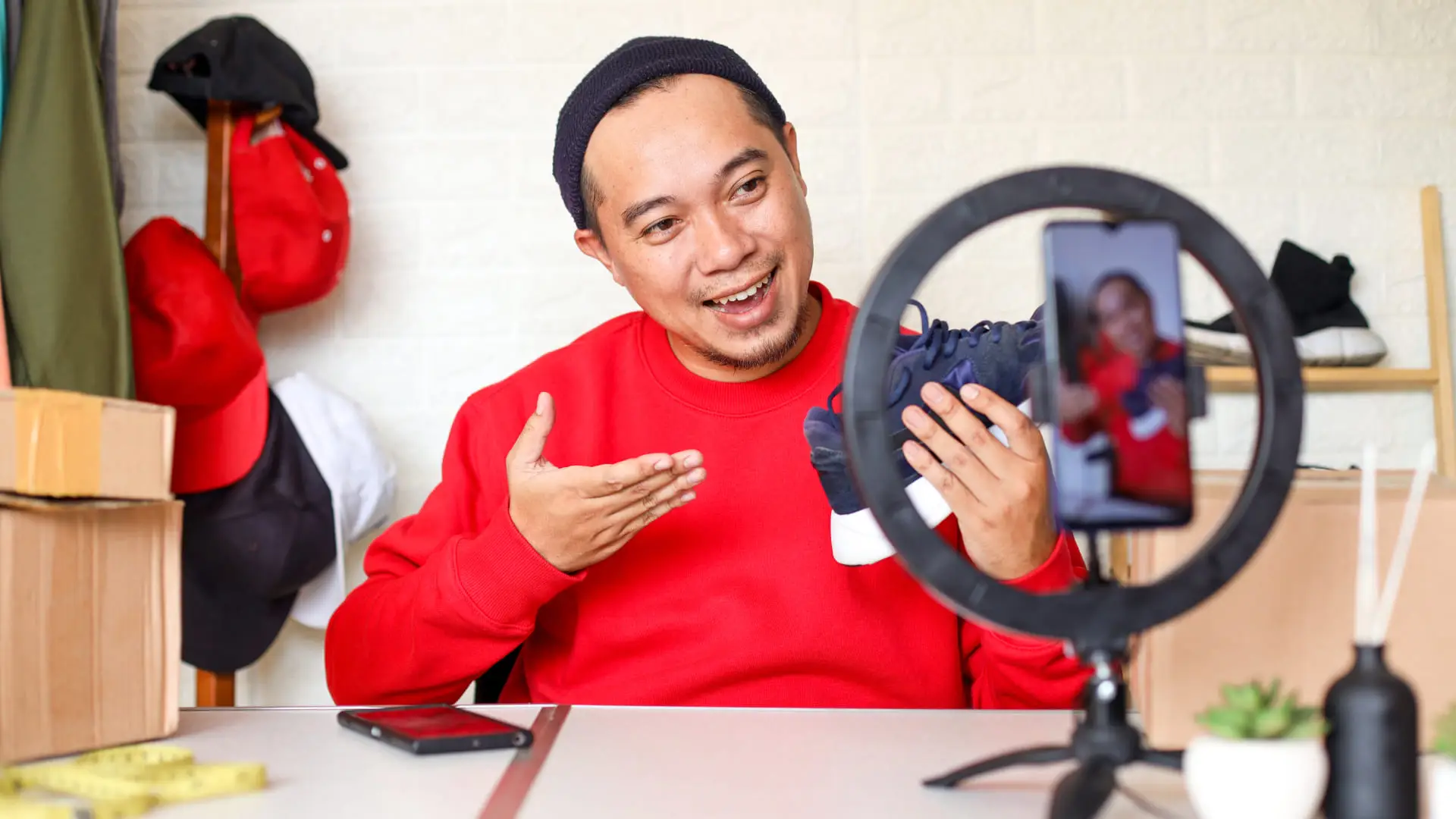
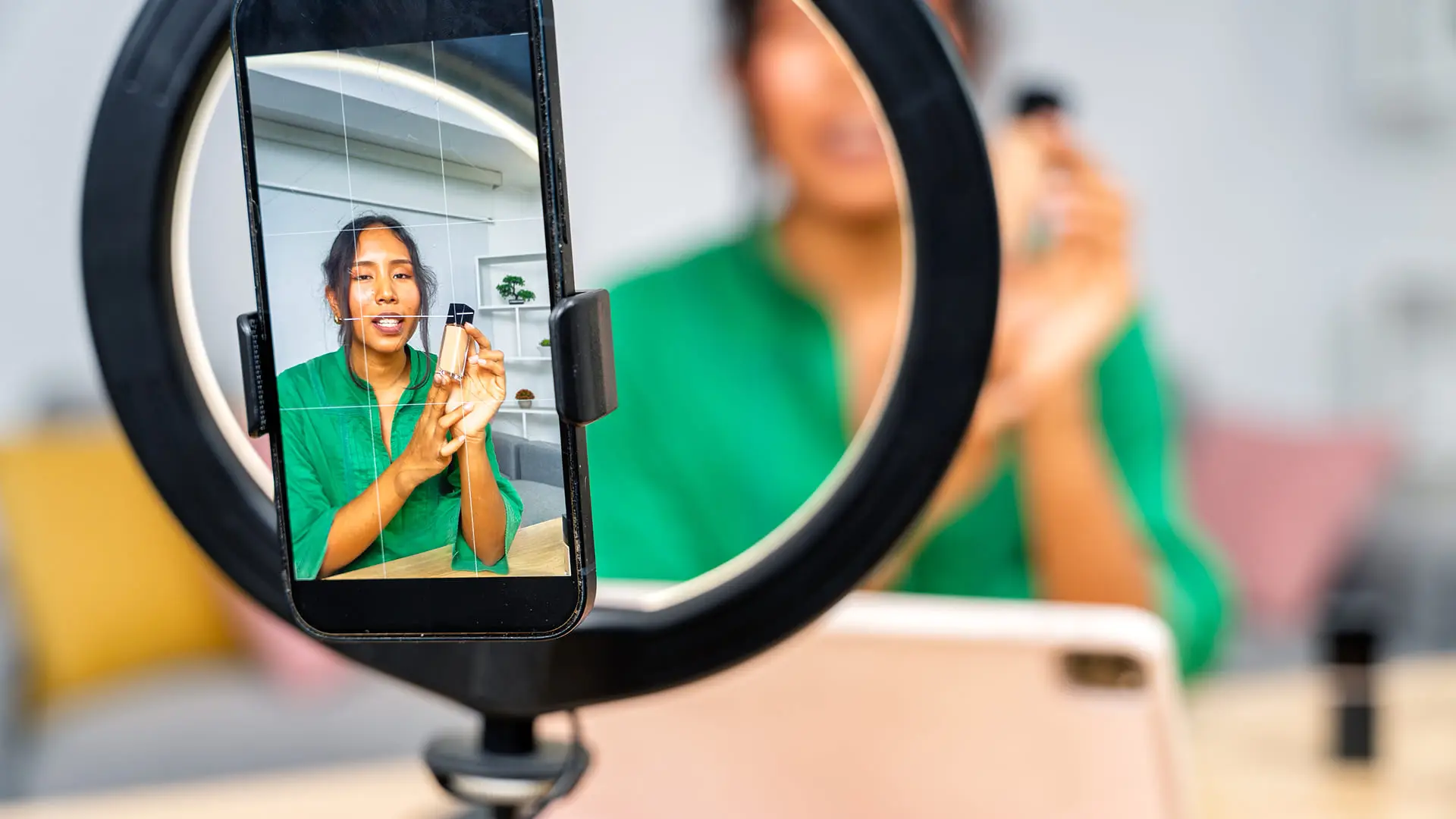
Influencer–brand collaborations are no longer just a marketing trend, they have become high-value business strategies worth billions of rupiah. Behind creative content, endorsements, and viral campaigns, however, lies one aspect that is often overlooked: the legal agreement.
An influencer–brand agreement is not merely about pricing and posting schedules. It is a civil contract with serious legal consequences. Without proper understanding, both influencers and brands risk disputes, administrative sanctions, and even criminal liability.
This article outlines the key legal considerations in drafting influencer–brand agreements in Indonesia, particularly in light of the latest regulatory developments in 2026.
The Legal Foundation of Agreements Under Indonesian Civil Law
Legally speaking, contracts between influencers and brands are governed by the Indonesian Civil Code (KUHPerdata), particularly the following provisions:
Article 1320 of the Civil Code: Validity Requirements of a Contract
This article sets out four essential elements for a legally valid agreement:
- Mutual consent of the parties
- Legal capacity to enter into a contract
- A clearly defined object
- A lawful cause
If the promoted product turns out to be illegal, for example, cosmetics without BPOM approval or fraudulent investment schemes, the requirement of a “lawful cause” is not fulfilled. As a result, the contract may be declared null and void.
In practice, this risk has increased as digital regulatory oversight becomes stricter.
Article 1338 of the Civil Code: Pacta Sunt Servanda
A legally valid agreement binds the parties as law.
This means that if an influencer agrees to a specific posting schedule, content format, and quality standards, they are legally obligated to comply.
Likewise, the brand must pay the agreed fee in accordance with the stipulated timeline and amount.
Articles 1238–1243 of the Civil Code: Breach of Contract (Wanprestasi)
These provisions regulate breach of contract.
Examples of breach in influencer collaborations include:
- Failure to upload content on schedule
- Deleting content before the agreed display period ends
- Publishing content inconsistent with the agreed brief
- Late payment of agreed fees by the brand
In such cases, the aggrieved party may seek damages under civil law.
Consumer Protection and Advertising Ethics
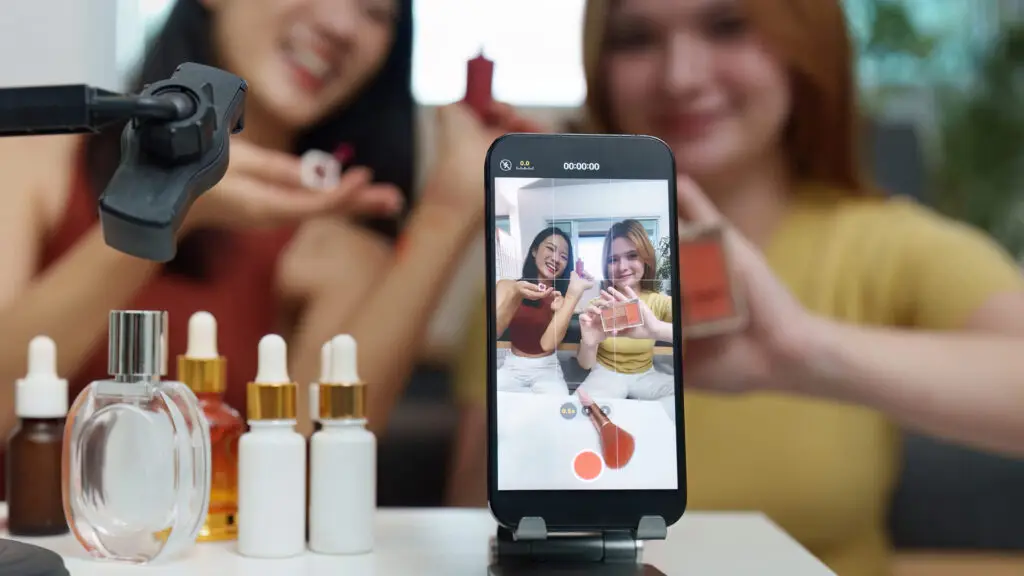
Influencers are not merely content creators. From a legal perspective, they may also be considered participants in advertising activities.
Consumer Protection Law No. 8 of 1999
- Article 17 prohibits misleading advertisements concerning the quality, quantity, or utility of goods.
- Article 20 holds advertisers responsible for promotional content.
If an influencer knowingly promotes false claims, for example, stating that a product “guarantees a cure” without scientific basis, they may share legal liability.
Electronic Information and Transactions Law (ITE Law) No. 1 of 2024 (Second Amendment)
- Article 28(1) prohibits the dissemination of false or misleading information that harms consumers in electronic transactions.
In 2026, fake reviews or fabricated testimonials may qualify as unlawful acts and potentially trigger criminal consequences.
Transparency is no longer just an ethical principle—it is a legal obligation.
Regulatory Oversight of Digital Promotional Content
As the digital ecosystem evolves, regulatory supervision has become increasingly sector-specific.
BPOM Regulation No. 16 of 2025
Influencers promoting pharmaceuticals or cosmetics must:
- Avoid health claims without scientific evidence
- Ensure the product has valid distribution approval
- Refrain from exaggerated claims
Violations may result in administrative sanctions, including revocation of product permits.
OJK 2025 Guidelines: Financial Influencer (Finfluencer) Supervision
Financial influencers must ensure that any promoted financial products are officially licensed by the Financial Services Authority (OJK).
Promoting fraudulent investment schemes may lead to legal liability, including potential criminal charges.
Ministry of Communication and Informatics (Kominfo) Circular on Digital Transparency
By 2026, transparency has become an industry standard. Indonesian authorities encourage the use of disclosure labels such as:
- #Ad
- #PaidPartnership
- #Sponsored
The objective is to prevent misinformation and enhance public trust.
Intellectual Property (IP) Issues in Influencer–Brand Collaborations

Many disputes do not arise from promotional claims, but from ownership of content.
Under Copyright Law No. 28 of 2014, influencers as content creators are, in principle, the initial copyright holders of their works.
However, contracts may stipulate that:
- Copyright remains with the influencer
- Usage rights are granted to the brand for a specified period
- Copyright is fully assigned to the brand
Without clear clauses, brands may use content indefinitely, or influencers may unilaterally restrict its use.
For this reason, intellectual property clauses must be drafted clearly and precisely.
The Risks of Verbal Agreements and Chat-Based Deals
Legally, verbal agreements or arrangements made via WhatsApp or direct messages may still be valid if they satisfy Article 1320 of the Civil Code.
However, from an evidentiary standpoint, informal agreements are significantly weaker in the event of a dispute.
In this era, when influencer collaborations may reach hundreds of millions of rupiah, a formal written contract is no longer optional. It is a strategic necessity.
Essential Clauses in Influencer–Brand Agreements
To minimize risk, agreements should include:
- Scope of work
- Posting schedule and duration
- Payment terms
- Breach and penalty provisions
- Intellectual property clauses
- Confidentiality clauses
- Dispute resolution mechanisms
- Force majeure provisions
Professionally drafted agreements provide legal certainty and protect the reputation of both parties.
Why Legal Counsel Is Increasingly Important in 2026

Digital collaborations are becoming more complex. Regulations are expanding. Oversight is intensifying. Reputational risks are higher than ever.
Both professional influencers and corporate brands must ensure that their agreements are legally valid, compliant with current regulations, and aligned with their long-term interests.
This is where legal advisors play a critical role.
Widjojo has extensive experience handling commercial agreements, including digital marketing collaborations and creative contracts. With a strategic and regulation-driven approach, Widjojo helps clients ensure that every collaboration is not only commercially beneficial, but also legally secure.
In an increasingly regulated digital ecosystem, prudence is a mark of professionalism.
Conclusion
Influencer–brand agreements are not mere administrative formalities. They are legal instruments that define the rights, obligations, and liabilities of the parties involved.
By understanding the Indonesian Civil Code, consumer protection regulations, sector-specific rules, and copyright considerations, industry players can conduct collaborations in a professional and sustainable manner.
Today, transparency, compliance, and well-structured legal planning have become the new standards in the digital industry.
If you are an influencer, brand, or agency seeking to ensure that your collaboration is secure and well-structured, early legal consultation is a wise step.