In an era where a piece of art can go viral in seconds, Indonesian illustrators and graphic designers face a new challenge: work is easy to view and easy to love… but also very easy to steal.
Screenshots, reposts without credit, unauthorized edits, or polished plagiarism, all can happen to digital artwork. This is why understanding illustration copyright, digital copyright, and how to protect your creative work in Indonesia is no longer optional, it is essential.
This article will help you understand how copyright works and what is the most effective ways to secure your digital creations.
Why Copyright Matters for Illustrators and Digital Designers
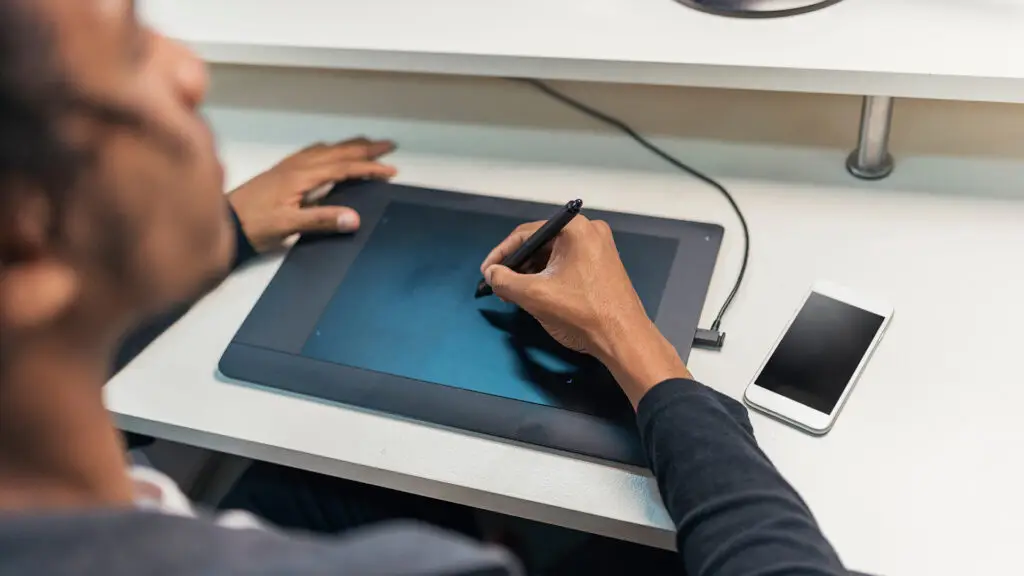
An idea alone has no legal protection. But once you turn it into a visual work, such as an illustration, poster, comic, character design, web design, UI/UX layout, and more, it is automatically protected under Indonesia’s Copyright Law (Law No. 28 of 2014).
This means:
- You are the legal owner of the artwork
- Your work cannot be used, copied, sold, edited, or reuploaded without permission
- You have the right to take legal action if your work is stolen or misused
Although copyright automatically belongs to the artist, protecting it, especially in digital spaces requires additional steps. Down here we are going to break down how to secure your digital copyright in Indonesia.
How to Secure Your Digital Copyright in Indonesia
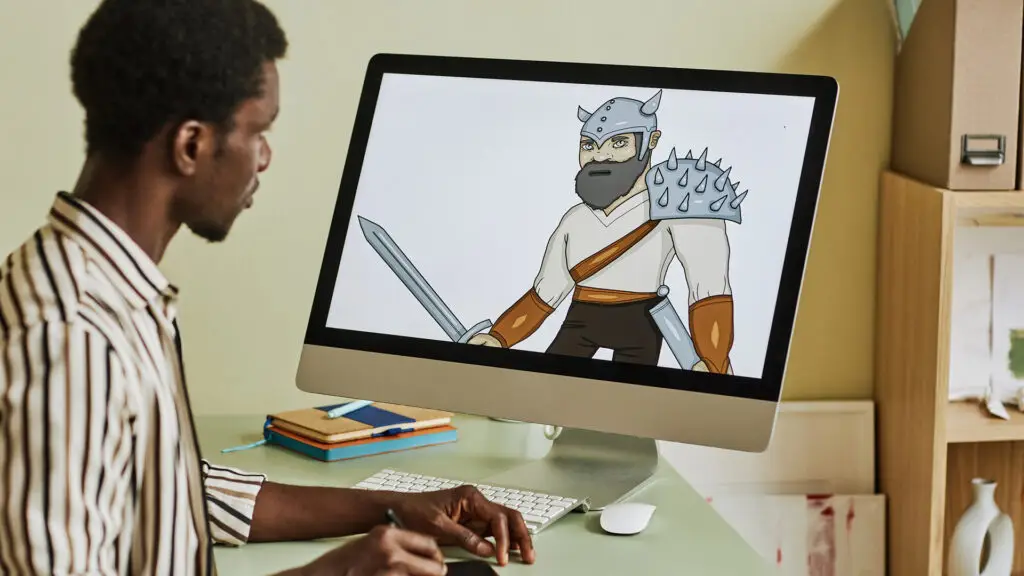
1. Register Your Work with the Directorate General of Intellectual Property (DJKI)
This is the strongest legal protection available , commonly known as copyright registration.
The benefits of registering your digital in DJKI:
- Official proof of ownership
- Strong evidence in case of disputes
- Fast processing (often 1–14 working days)
- 100% online submission
Now that you know it is important to register your digital artwork, you can check the information regarding DJKI service on DJKI official website.
To register your digital illustration copyright, you will need:
- Personal details
- Your artwork file (.jpg/.png/.pdf)
- Statement of ownership
- Registration fee (IDR 200.000– IDR 600.000)
This is a wise move for both freelance illustrators and professional digital artists.
If you want to ensure smooth copyright documentation and filing, many creators engage experienced intellectual property consultants or law firms to assist with the process and mitigate legal risks. Widjojo can help ensure every detail of the registration complies with official regulations.
2. Keep Proof of Your Creative Process (Proof of Creation)
The proof of creation becomes crucial if plagiarism occurs. The more complete your proof, the stronger your case.
Some proofs of your digital illustration’s creative process includes:
- Initial sketches
- Layered files (PSD/AI/Krita/Procreate)
- Timelapse recordings
- First upload date on social media
- Cloud storage timestamps (Google Drive, Dropbox)
3. Use Watermarks or Signatures
Watermarks are needed to protect your copyright. Some might think it is going to ‘ruin’ the art, but watermarks can be a strong signature of your creative process. They don’t need to be large or visually distracting.
You can use some of these options for watermark:
- A small signature
- Brand name
- Social media handle
- Invisible watermark
Watermarks won’t stop theft entirely, but they make it harder and less appealing.
4. Add a Copyright Notice
In some digital illustration works, you might also need to add a copyright notice.
Example:
© 2025 Your Name. All rights reserved.
Where to place it in:
- Instagram captions
- Portfolio websites
- ArtStation pages
- Portfolio PDFs
- Marketplace listings
This copyright notice signals clearly that your work is legally protected.
5. Use Clear Licensing for Client Work
When you are wor5.king for a client, always specify the license to prevent the clients from using your work beyond what was agreed upon.
Example:
- Usage rights
- Distribution rights
- Adaptation rights
- Commercial rights
- Exclusive vs. non-exclusive rights
6. Store Backups in Multiple Locations
Always, once again we are going to remind you to always store backups in multiple locations. You can try to backups on:
- One on a local device
- One in cloud storage
- One on an external hard drive
Although this is not about protecting your art from plagiarism, sometimes art isn’t lost to plagiarism, it’s lost to hardware failure.
What Copyright Protects in Graphic Design & Illustration
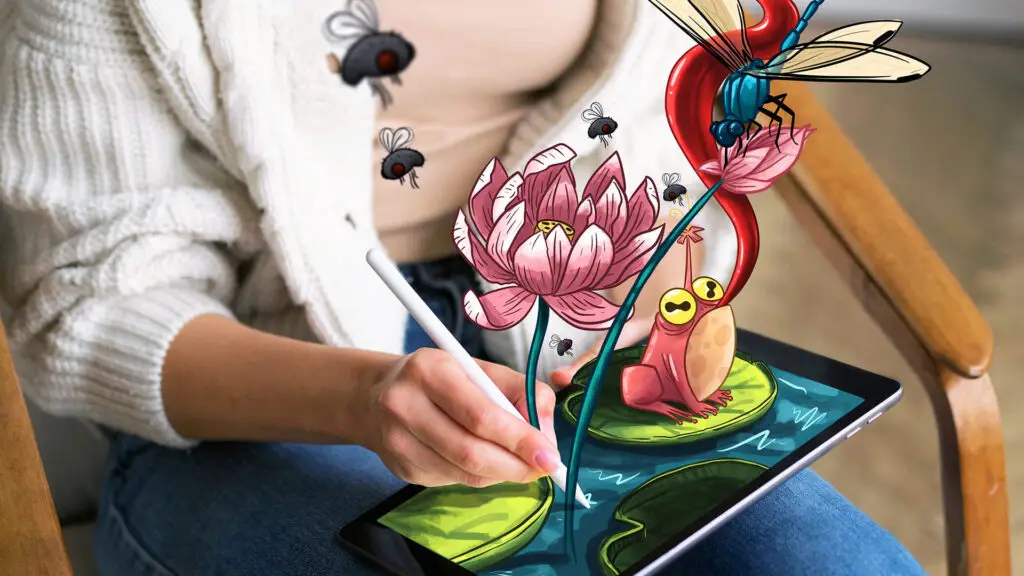
The creative process of creating graphic design and illustration works is indeed lengthy. It’s important to note that, under Indonesian law, some things are protected by law, while others are not.
Some protected artworks include:
- Digital illustrations
- Character designs
- Comics & webtoons
- Digital posters
- Branding & logos
- UI/UX layouts
- Game concept art
- Graphic design assets
Not protected:
- Raw ideas
- Art styles
- Drawing techniques
- Concepts not yet materialized
Based on Indonesian rules, creating graphic design and digital illustration artwork, the ideas may be similar, but the visual execution cannot be identical.
Copyright Challenges in the Digital World
It’s undeniable that the internet makes creating various works very easy, but on the other hand, it also accelerates plagiarism.
Some common problems related to copyright in illustration and graphic design in the digital world are:
- Repost without credit
- Stolen artwork sold on marketplaces
- AI scraping or training without consent
- Screenshots traced or re-rendered
- Clients using artwork without paying
This is why understanding digital copyright protection is crucial.
How to Protect Your Illustrations from AI & Online Theft

For modern digital creators, a new threat comes from AI image generators.
While regulations are still evolving, there are several ways to protect the copyright of your work:\
- Applying watermarks in hard-to-remove areas
- Uploading lower resolution previews
- Keeping high-resolution files private
- Registering your artwork with DJKI
- Embedding copyright info in metadata/EXIF
- Adding an anti-AI usage statement
FAQ
1. How does copyright protect artwork?
Copyright gives creators exclusive rights to control the use of their artwork. Others cannot copy, distribute, sell, or modify the work without permission.
If infringement occurs, you can take legal action under Indonesia’s Copyright Law.
2. How do I protect my copyright in the digital world?
Take these steps:
- Register your work with DJKI
- Use watermarks or signatures
- Add copyright notices
- Keep proof of creation
- Upload low-resolution previews
- Use clear licensing for client work
These all strengthen your legal position.
3. How can I protect my digital artwork?
Register it officially with DJKI and keep detailed proof of your creative process. Additionally, use watermarks, metadata, and clear licensing to prevent unauthorized use.
Conclusion
In a fully digital world, artwork spreads quickly, but it can also be stolen just as fast. By understanding digital copyright, illustration protection, and the steps you can take to safeguard your work, you ensure that your creativity remains secure.
Protecting your artwork isn’t paranoia, it’s a form of respect for the time, effort, and passion you’ve poured into your creative process.
If necessary, you can use the services of a professional law firm such as Widjojo to register copyrights, consult on disputes, draft licenses, or provide legal protection for digital works.