
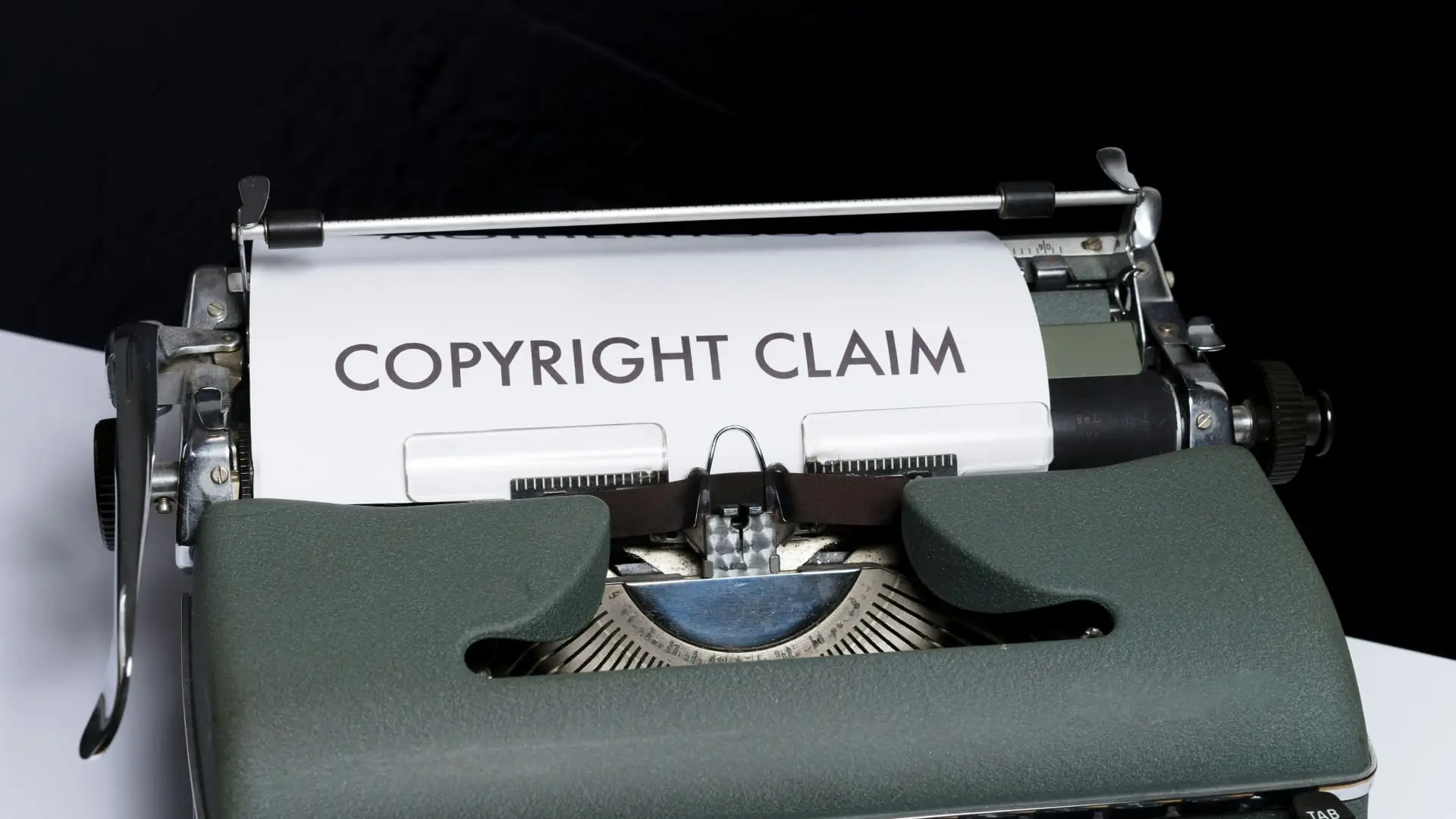
Indonesia, a nation rich in creativity and innovation, has a copyright protection system aimed at fostering the development of arts, literature, and science. Understanding copyright is crucial for creators, artists, musicians, and other intellectual property owners.
What is Copyright?

Copyright, also known as “copyright” in English, is the exclusive right granted to a creator for their work. This right arises automatically upon the creation of a work in tangible form, without the need for registration. However, copyright registration is strongly recommended to strengthen legal protection and provide strong proof of ownership. Protected works encompass various forms of creative expression, ranging from books and music to software and films. This protection gives creators control over how their work is used, reproduced, and distributed.
Why is Copyright Protection Important?
Copyright protection offers several key benefits:
- Incentive for Creativity: Legal protection encourages the creation of new works by providing financial incentives and recognition to creators.
- Commercial Exploitation: Copyright enables creators to derive financial benefits from their work through sales, licensing, or other commercial uses.
- Legal Protection: Legal protection shields creators from misuse and copyright infringement by others.
- Creative Industry Development: A strong copyright system promotes the growth and development of Indonesia’s creative industries, creating jobs and driving innovation.
Legal Basis
Copyright law in Indonesia has evolved over time. Law Number 28 of 2014 concerning Copyright is the primary legal basis today, adopting a declarative principle where copyright arises automatically. This law comprehensively regulates various aspects of copyright, from protected subjects to enforcement mechanisms.
II. Types of Works Protected by Copyright in Indonesia
Law Number 28 of 2014 concerning Copyright in Indonesia provides broad protection for various types of creative works. This protection is granted automatically from the moment the work is realized in tangible form, regardless of whether the work has been registered or not. Here are some main categories of works protected by copyright in Indonesia:
A. Literary Works:

This category includes various forms of written works, including:
- Books: Novels, textbooks, science fiction books, and other non-fiction books.
- Articles: Journalistic writing, scientific articles, and essays.
- Poetry: Literary works of poetry in various forms and styles.
- Scripts: Drama scripts, film screenplays, and scripts for other performances.
- Computer Programs: Source code and object code of computer programs.
B. Works of Art:
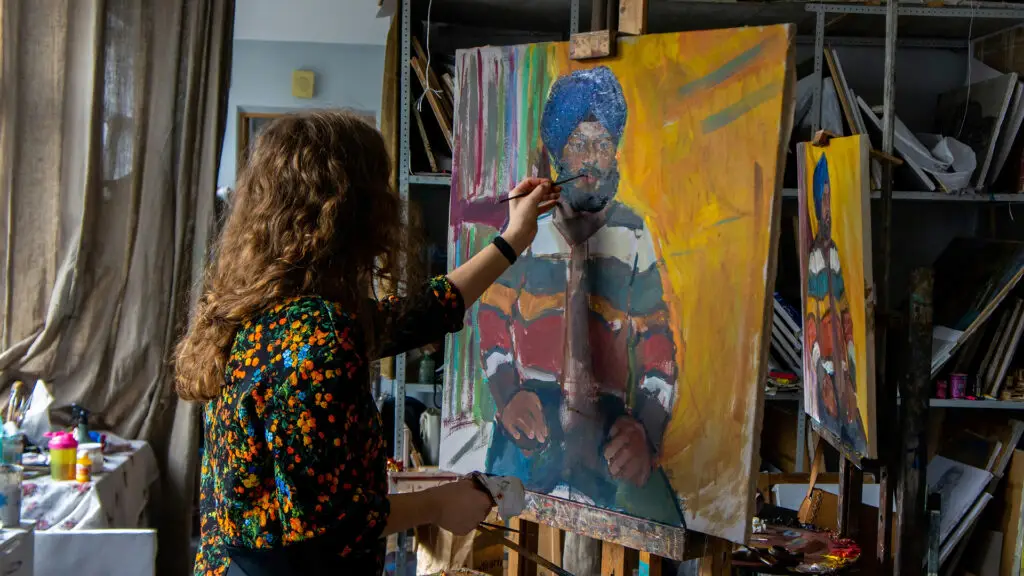
This category includes visual and artistic works, including:
- Paintings: Paintings in various techniques and media.
- Sculptures: Three-dimensional sculptural works of art.
- Drawings: Illustrations, graphic designs, and other artistic drawings.
- Photography: Art photography and journalistic photography.
- Architecture: Building designs and architectural structures.
C. Musical Works: 
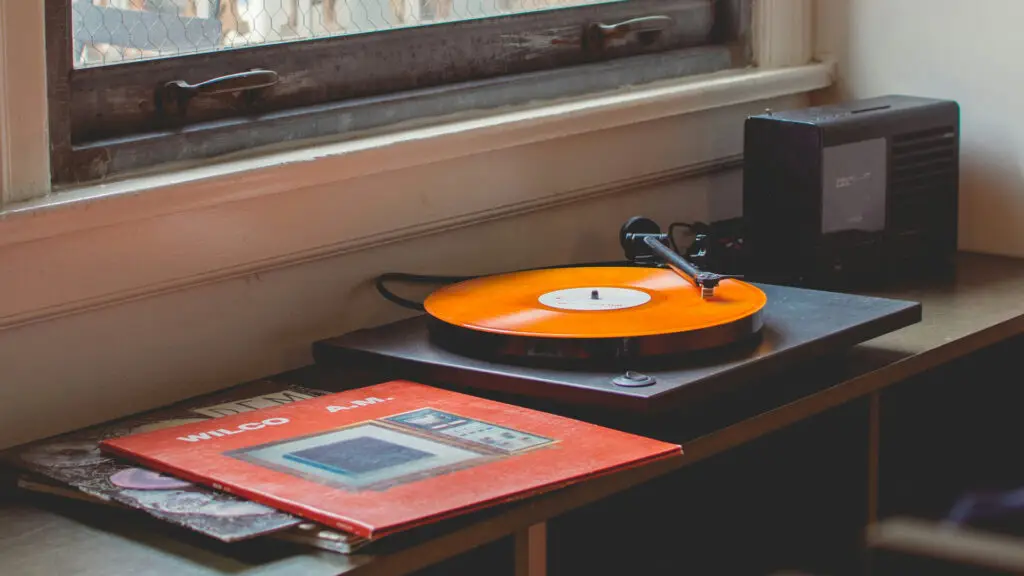
This category includes musical compositions and lyrics, such as:
- Musical Compositions: Melodies, harmonies, and rhythms of a musical work.
- Song Lyrics: Song lyrics and verses.
- Musical Scores: Musical notation in written form.
D. Audiovisual Works:
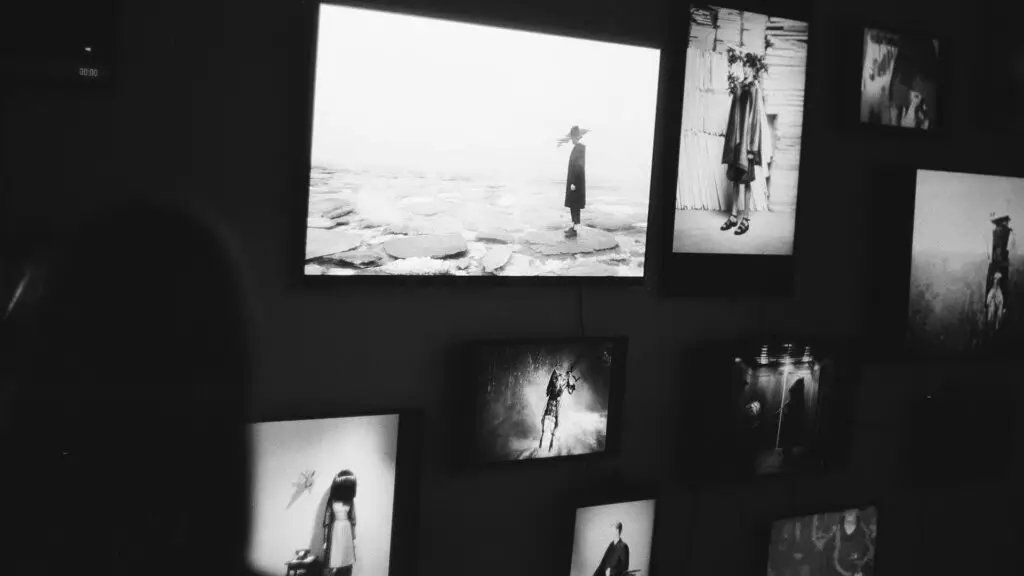
This category includes works combining audio and visual elements, including:
- Films: Feature films, short films, and documentaries.
- Television Programs: Television programs, soap operas, and news.
- Music Videos: Videos combining music and visuals.
- Video Games: Interactive video-based games.
E. Other Works:
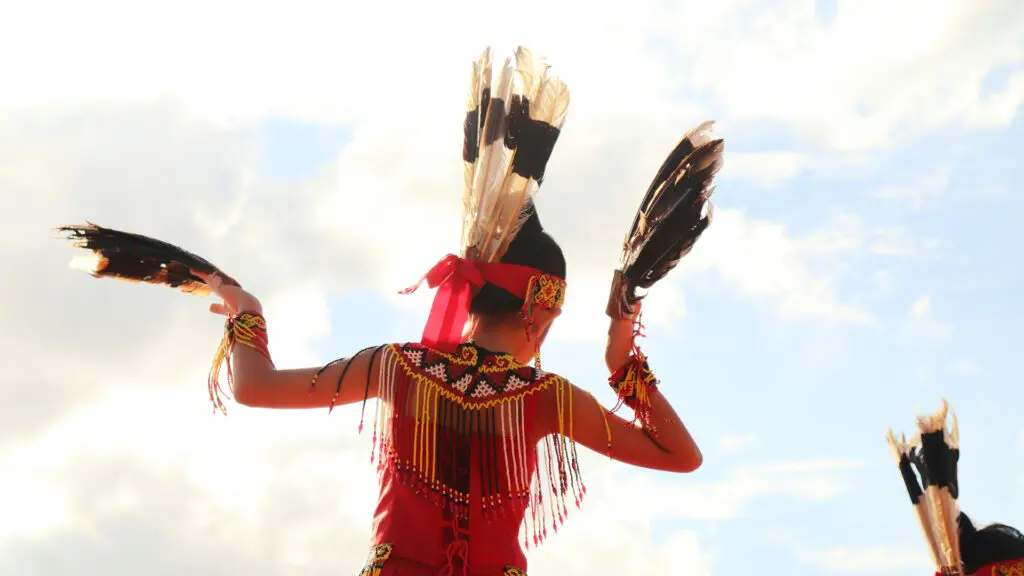
In addition to the above categories, Indonesian Copyright Law also protects various other types of works, including:
- Scientific Works: Theses, dissertations, and other scientific works.
- Integrated Circuit Layout Designs: Designs of integrated circuit layouts used in the electronics industry.
- Engineering Works: Designs and plans for engineering products.
- Performing Arts Works: Dance, drama, and other performing arts.
III. Copyright Registration Process in Indonesia
Although copyright in Indonesia arises automatically upon the creation of a work in tangible form, registering copyright with the Directorate General of Intellectual Property (DGIP) of the Ministry of Law and Human Rights is highly recommended. Registration provides strong proof of ownership, facilitates legal action in case of infringement, and offers several additional advantages.
Steps for Copyright Registration at DGIP:
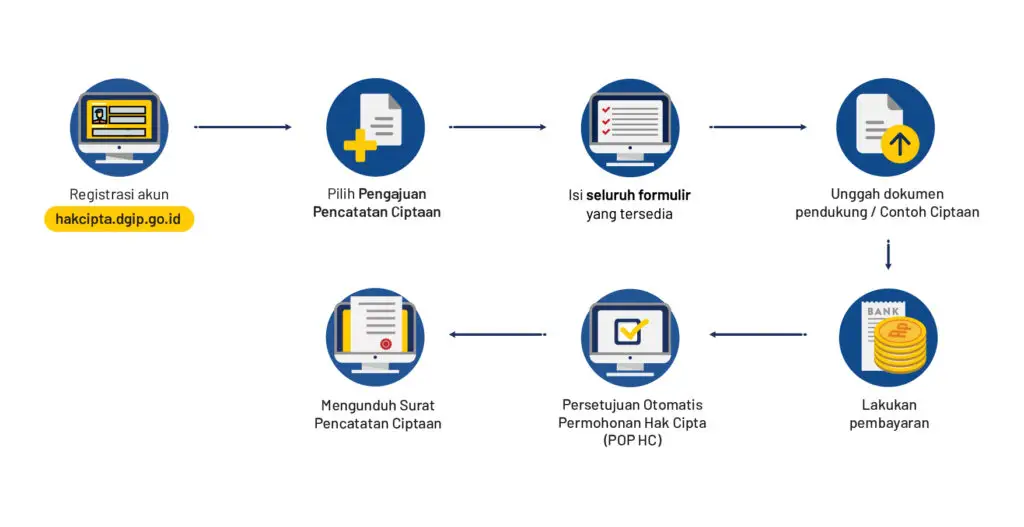
The copyright registration process at DGIP can be done online. Here are the general steps for registration:
- Registration: Create an account at hakcipta.dgip.go.id and select “Pengajuan Pencatatan Penciptaan” (Application for Creation Registration).
- Form Completion: Fill out the registration form completely and accurately. Ensure that the information provided is correct and matches the copyrighted work being registered. The registration form is available on the DGIP website.
- Document Upload: Upload supporting documents/examples of the creation.
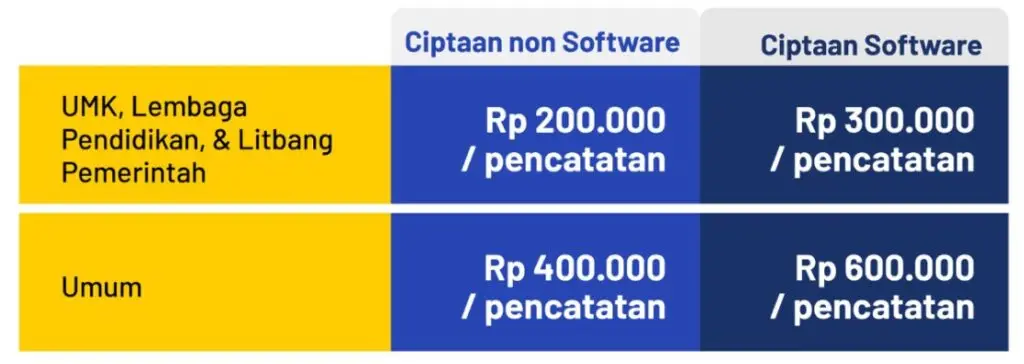
- Payment: Make the registration fee payment according to the applicable rate. As of January 2025, the cost is as follows:

- POP HC: Automatic approval of copyright applications. DGIP will automatically verify the submitted documents and copyrighted work. This process takes 10 minutes, and you will be informed of its progress.
- Issuance of Creation Registration Letter: After verification is complete and the registration is approved, DGIP will issue a Creation Registration Letter as official proof that your copyrighted work has been registered. You can download it directly from DGIP.
IV. Rights of Copyright Holders in Indonesia
Once a work is protected by copyright, either automatically or through registration, the creator or copyright holder has a number of exclusive rights protected by law. A good understanding of these rights is essential to optimally utilize copyrighted works and protect against infringement.
A. Exclusive Rights of Copyright Holders:
Copyright holders have the exclusive right to do the following with their creations:
- Reproduce Copyrighted Works: This includes making copies of copyrighted works in any form, whether physical or digital. This includes printing books, duplicating music, or making digital copies of works.
- Distribute Copyrighted Works: This includes selling, renting, or transferring ownership of copyrighted works to others. This applies to both physical and digital distribution.
- Communicate Copyrighted Works to the Public: This includes performing copyrighted works in public, such as music concerts, theatrical performances, or film screenings. This also includes broadcasting copyrighted works via radio or television.
- Translate Copyrighted Works: This includes translating copyrighted works into other languages.
- Adapt or Modify Copyrighted Works: This includes creating derivative works from the original copyrighted work, such as making a film from a novel or creating a song from a poem.
- Create Derivative Works: This includes creating new works based on the original copyrighted work, such as making a film based on a novel or creating a song based on a poem.
B. Moral Rights of the Creator:
In addition to exclusive rights, creators also have moral rights inherent in their creations. These moral rights are personal and cannot be transferred to others, even if exclusive rights have been transferred. Moral rights include:
- Right of Attribution: The creator’s right to be recognized as the creator of their work. This means the creator has the right to have their name mentioned or the work attributed to them.
- Right of Integrity: The creator’s right to prevent distortion, mutilation, or other alterations to their work that could harm their honor or reputation. The creator has the right to prevent changes that could alter the meaning or essence of the work.
C. Commercial Exploitation of Copyrighted Works:

Copyright holders can exploit their creations for commercial purposes, such as:
- Direct Sale of Copyrighted Works: For example, selling books, songs, or paintings.
- Licensing: Granting permission to others to use copyrighted works in exchange for royalties or licensing fees. This allows for the use of copyrighted works without having to transfer ownership.
- Merchandise: Creating and selling merchandise featuring copyrighted works, such as t-shirts, mugs, or other accessories.
Understanding these rights is essential for creators to protect their work and ensure fair and profitable use. Consultation with an intellectual property lawyer is recommended for more specific guidance on copyright rights and their application.
V. Copyright Infringement and Legal Action in Indonesia: Protecting Your Work from Misuse
Copyright infringement occurs when someone uses someone else’s copyrighted work without permission or consent from the copyright holder. This infringement can harm the creator financially and damage their reputation. Law Number 28 of 2014 concerning Copyright in Indonesia provides a legal basis for prosecuting such violations.
A. What Constitutes Copyright Infringement?

Some actions that constitute copyright infringement include:
- Unauthorized Reproduction: Making copies of copyrighted works without the permission of the copyright holder, whether in physical or digital form. This includes printing, photocopying, or illegally downloading works.
- Unauthorized Distribution: Selling, renting, or distributing copyrighted works without the permission of the copyright holder. This includes selling pirated books, distributing illegal music online, or illegally sharing films.
- Unauthorized Communication to the Public: Communicating copyrighted works to the public without the permission of the copyright holder, such as playing films or music in public without permission.
- Unauthorized Translation: Translating copyrighted works into another language without the permission of the copyright holder.
- Unauthorized Modification or Adaptation: Creating derivative works from the original copyrighted work without the permission of the copyright holder, such as making a film based on a novel without permission.
B. Evidence of Copyright Infringement:

To prove copyright infringement, strong evidence is required. This evidence can include:
- Creation Registration Letter: An official letter from DGIP proving that the work has been registered and copyright ownership.
- Proof of Ownership: Documents showing ownership of the copyrighted work, such as contracts, memoranda of understanding, or proof of creation of the work.
- Evidence of Infringement: Evidence showing that another party has committed acts that infringe copyright, such as unauthorized copies of the copyrighted work, evidence of illegal sale or distribution, or evidence of unauthorized use of the copyrighted work. Digital evidence such as screenshots or online activity logs can also be used.
C. Legal Action and Sanctions:
Copyright holders whose creations are infringed can take legal action, both civil and criminal. Sanctions that can be imposed on copyright infringers include:
- Civil Sanctions: Civil lawsuits to claim compensation for losses suffered by the copyright holder. The amount of compensation can vary depending on the level of loss incurred.
- Criminal Sanctions: Imprisonment and/or fines as stipulated in Law Number 28 of 2014 concerning Copyright.
D. Seeking Legal Assistance:

If you are facing copyright infringement or need legal assistance regarding copyright protection, it is strongly recommended to consult with an intellectual property lawyer. They can provide the guidance and legal assistance needed to protect your rights.
VI. Tips for Protecting Your Copyright in Indonesia: Proactive Steps for the Security of Your Work
Protecting your copyrighted work requires proactive steps and a good understanding of applicable laws. Here are some practical tips you can apply to protect your copyrighted work in Indonesia:
A. Thorough Documentation:

- Creation Date: Document the creation date of your work properly. Keep digital evidence such as files, emails, or screenshots showing the creation date.
- Revisions and Developments: If your work undergoes revisions or development, document these changes by noting the date and details of the revisions.
- Witnesses: If possible, ask witnesses to testify to the process of creating your work. This document will be very helpful if there is a dispute.
B. Copyright Registration:

- While not mandatory, copyright registration with DGIP is highly recommended. This provides strong proof of ownership and facilitates legal proceedings if infringement occurs.
- Follow the registration steps described in the previous section carefully. Ensure that all documents are complete and accurate.
C. Use of Copyright Notices:
- Add a copyright notice to your work. This notice is usually the © (copyright) symbol, the creator’s name, and the year of creation.
- Place the copyright notice in a clearly visible place on your work, both in physical and digital form.
D. Digital Work Security:

- Watermarking: Use watermarks on your digital work to prevent misuse. Watermarks can be logos, names, or other special marks indicating your ownership.
- Encryption: Protect your digital work with encryption to prevent unauthorized access.
- Backup and Secure Storage: Back up your digital work regularly and store it in a secure location. Use reliable and encrypted cloud storage.
E. Use of Secure Platforms:

- When publishing your work online, choose trusted platforms that offer adequate security features.
- Consider using contracts or agreements with third parties who will use your work to ensure copyright protection.
F. Monitoring and Handling Infringements:

- Monitor the use of your work online and offline to detect potential infringements.
- If you find copyright infringement, act immediately. Gather evidence and consult with an intellectual property lawyer to take appropriate legal action.
By proactively implementing these tips, you can enhance the protection of your copyrighted work and minimize the risk of infringement. Remember that prevention is better than cure. With appropriate preventive measures, you can protect your copyrighted work and enjoy its benefits optimally.
VII. Conclusion: Copyright Protection
Copyright protection is a vital pillar for the development of creativity and innovation in Indonesia. Understanding and implementing the copyright protection system, both through official registration with DGIP and through understanding automatic copyright, is crucial for creators to protect their work and achieve the maximum potential of their hard work. From the various types of works protected to the legal steps that can be taken if infringement occurs, a comprehensive understanding of copyright provides creators with a strong foundation for success.
Therefore, proactive steps are strongly recommended. From documenting the creative process to registering works with DGIP, preventive measures will minimize the risk of infringement and ensure the fair and beneficial use of copyrighted works. Do not hesitate to utilize the available resources, including consulting with intellectual property lawyers, to ensure that your copyright protection is effective and optimal. Protect your creativity, achieve the success of your copyrighted work!
VIII. Frequently Asked Questions (FAQ) about Copyright Protection in Indonesia
Here are some frequently asked questions about copyright protection in Indonesia.
A. Do I have to register my work to obtain copyright protection?
No, copyright in Indonesia arises automatically from the moment the work is realized in tangible form. However, registration with DGIP is highly recommended because it provides strong proof of ownership and facilitates legal action if infringement occurs.
B. How long does copyright protection last?
Generally, copyright protection lasts for the lifetime of the creator plus 70 years after their death. For anonymous works or works of unclear ownership, protection lasts for 70 years from the date the work was first published.
C. What happens if my copyright is infringed?
You can take legal action, both civil and criminal. Civil action can be in the form of a claim for damages, while criminal action can result in imprisonment and/or fines. Consultation with an intellectual property lawyer is highly recommended.
D. How can I prove copyright ownership?
Proof of ownership can be in the form of a Creation Registration Letter from DGIP, proof of creation of the work (e.g., a digital file with the creation date indicated), witness testimony, and other evidence showing your ownership of the work.
E. Can I register copyright for unpublished works?
Yes, you can register copyright for unpublished works.
F. Is there a fee for registering copyright?
Yes, there is a registration fee payable to DGIP. The amount of the fee may vary depending on the type of copyrighted work. The latest information on fees can be found on the official DGIP website.